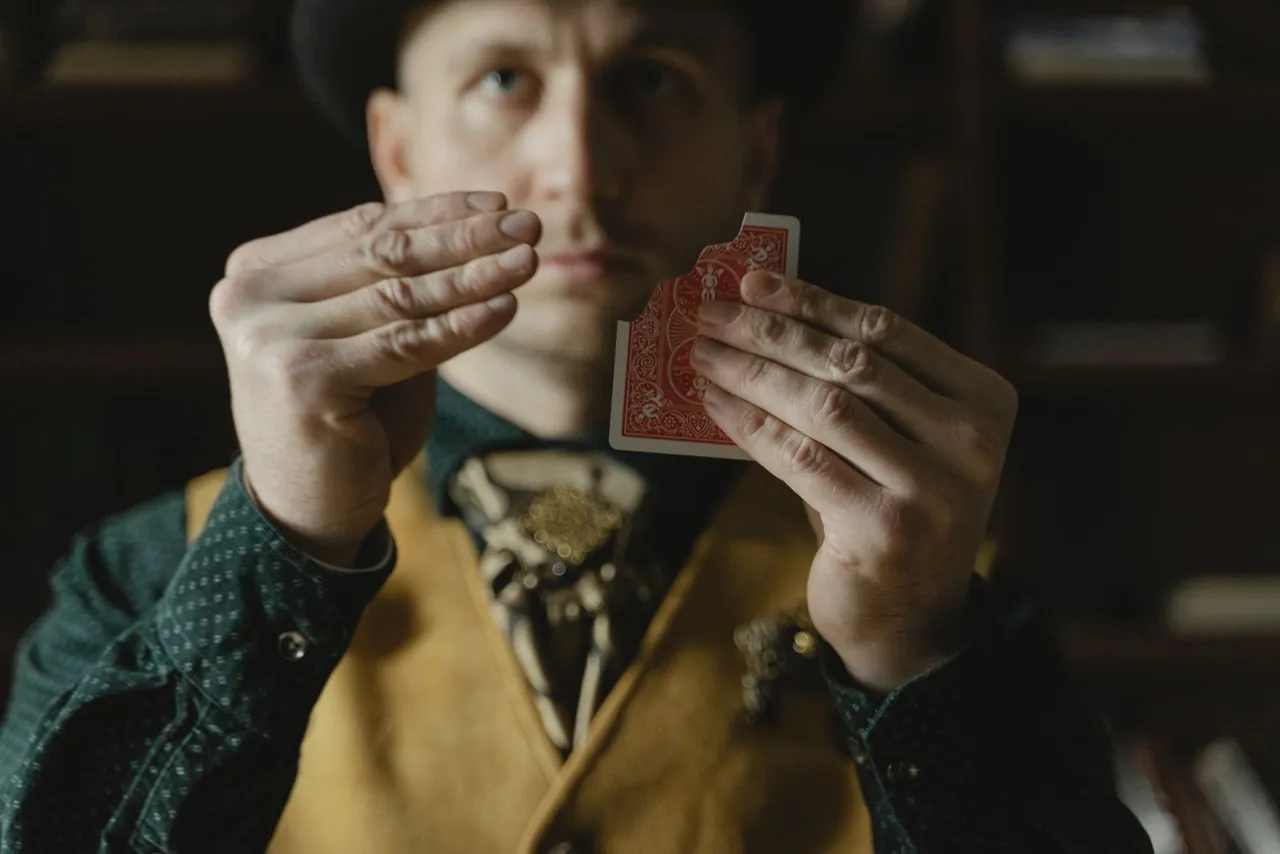
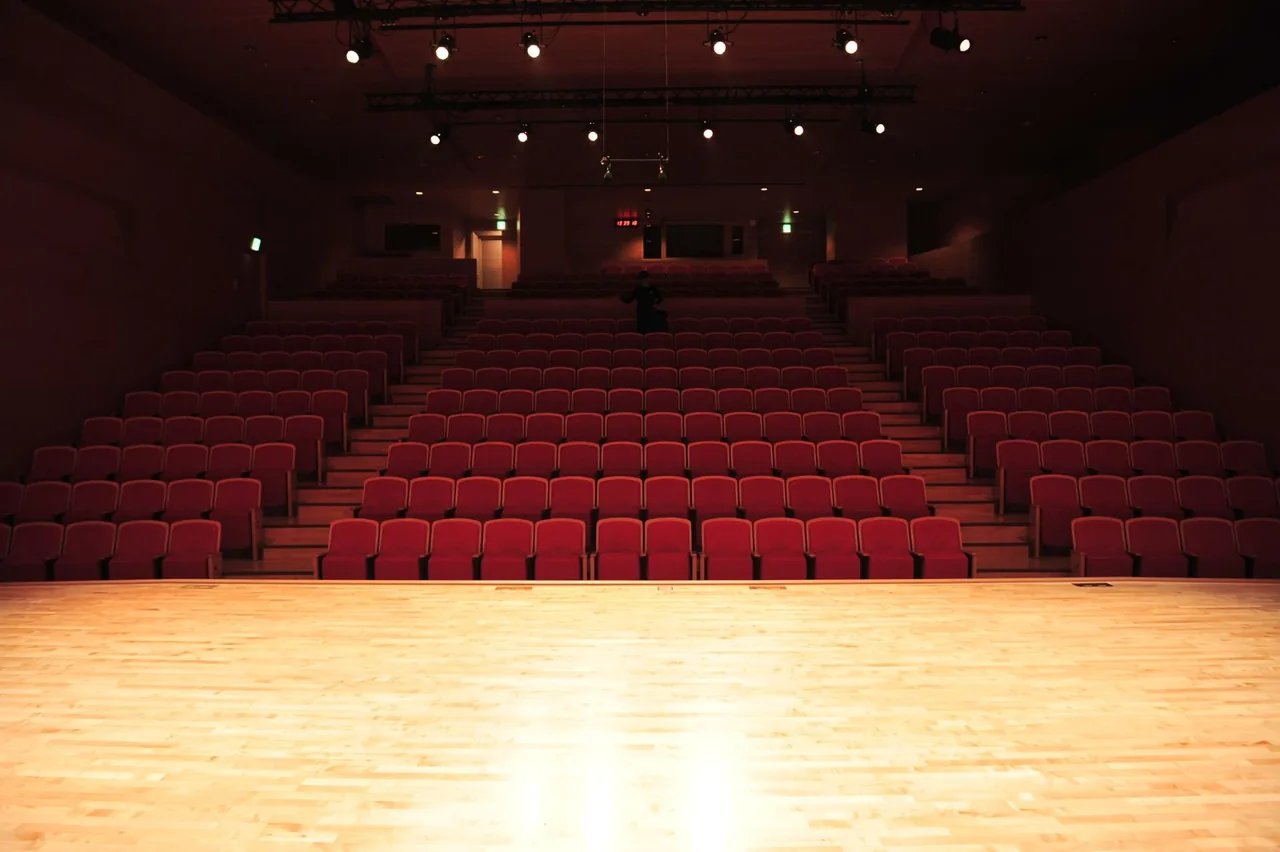
There is something gloriously old-fashioned about a variety show. One minute a juggler is keeping five clubs in the air, the next a magician is pulling scarves from nowhere, and then someone wanders on with a ukulele and a string of terrible jokes. On paper it should be chaos. In the hands of a good performer it becomes one of the most satisfying nights out there is. The question is why some mixed bills soar while others sag.
The running order is everything
A great variety show is built like a piece of music. You do not open with your strongest act, and you certainly do not end with the quiet one. The skill lies in pacing — a punchy opener to grab attention, a slower turn to let the room breathe, then a steady climb toward a finish big enough to send everyone home buzzing. Get the order wrong and even brilliant individual acts feel flat, because the audience never finds its rhythm.
The best compères understand this instinctively. They are not just filling time between acts; they are managing the temperature of the room, nudging it up and down until the whole evening has a shape.
Variety is really about contrast
The magic of a mixed bill comes from juxtaposition. A delicate plate-spinning act hits harder when it follows something loud and silly. A heartfelt song lands better after a run of gags. Much of this owes a debt to the traditions of music hall and the long history of live comedy performance, where performers learned to read a crowd in real time and adjust before they lost it. Contrast keeps the audience slightly off balance in the best possible way, never quite sure what is coming next.
This is also why the technical acts matter so much. Juggling, plate-spinning and acrobatics give the eye something genuinely impressive to chew on, grounding all the silliness in real, visible skill.
Timing you can feel
Ask any seasoned performer what separates a good show from an unforgettable one and they will almost always say timing. The pause before the reveal. The half-second of held breath before the catch. The beat of silence that tells the audience it is allowed to laugh. None of this can be rushed, and none of it can be faked. It is the difference between a show that merely entertains and one that the audience talks about for weeks.
When all of it comes together — the order, the contrast, the timing — a variety show stops feeling like a series of acts and starts feeling like a single, generous gift handed to a room full of strangers. That is the night people remember.