The clown is one of the oldest jobs in entertainment, and one of the most misunderstood. We tend to picture a single image — red nose, oversized shoes, a balloon animal at a birthday party — but that costume is just the most recent uniform in a tradition that stretches back thousands of years. The professional fool has been making people laugh since long before anyone thought to put it on a stage.
The fool with a license
Some of the earliest clowns were not entertainers at all but truth-tellers. The court jester occupied a unique position: he was the one person allowed to mock the king to his face and survive. Wrapped in foolishness, he could say the unsayable, puncturing pomposity in a way no courtier ever could. That is the clown's oldest superpower — using silliness as a shield to deliver something serious. A great deal of clowning history, as documented in the kind of trivia-rich archives at a popular general-knowledge magazine, turns out to be about power as much as comedy.
Versions of this figure appear across cultures and centuries, from the wise fools of folk tales to the comic servants of the Italian commedia dell'arte, whose stock characters in their patched costumes are the direct ancestors of the modern clown.
Into the ring
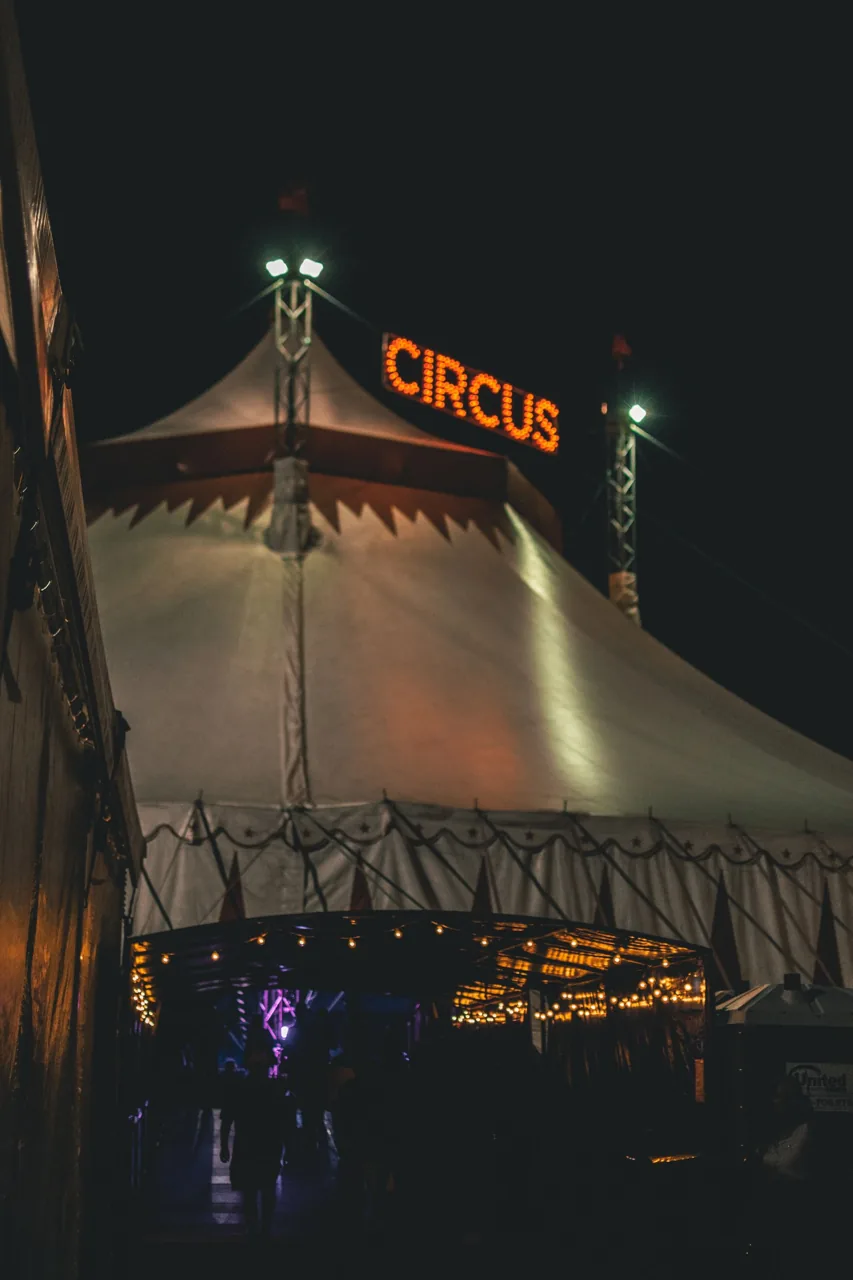
The clown as we now picture him was largely shaped by the circus. As travelling shows grew in the eighteenth and nineteenth centuries, the clown became the glue between the daring acts — filling the gaps while the rigging was reset, deflating the tension after a death-defying trapeze stunt with a perfectly timed pratfall. The white face and exaggerated features were practical at first, designed to be read from the cheap seats at the back of a vast tent.
It was here that the clown specialised. The elegant whiteface, the bumbling auguste, the tramp with his sad painted smile — each became a recognisable type, and the dynamic between them became an art form of its own.
Why the clown endures
Today the clown leads a double life. On one hand he is the cheerful staple of children's parties; on the other he has become a favourite of horror films, the friendly face turned sinister. That split is no accident. The clown has always lived in the uncanny space between funny and unsettling, and that ambiguity is exactly why the figure refuses to disappear.
Strip away the makeup and the clown is simply a person whose entire job is to fall over so that the rest of us feel a little better. It is a very old job, a slightly absurd one, and somehow one the world has never been able to do without.